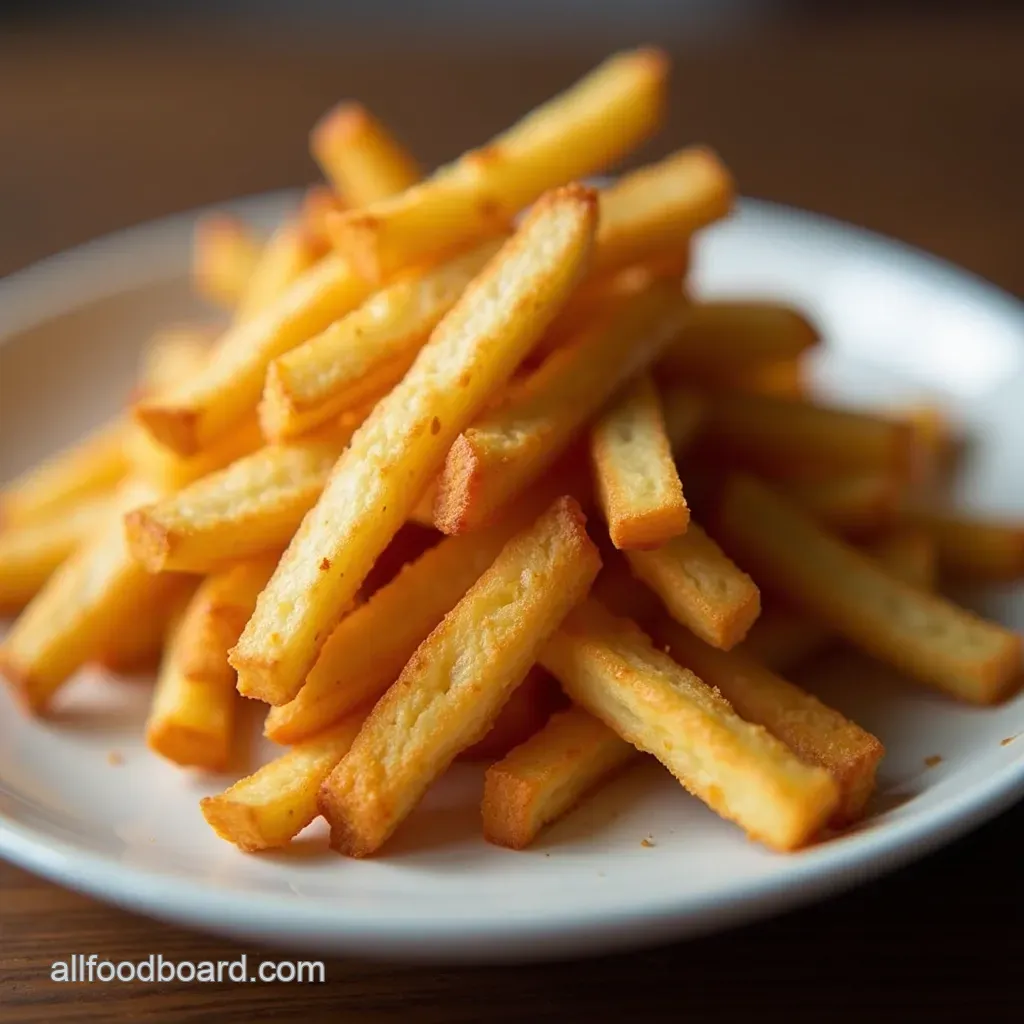
Double-Fried Perfection: Unlocking the Secret to Ultimate Crispy Homemade French Fries
There’s an undeniable magic to perfectly cooked french fries: a golden, shatteringly crisp exterior yielding to a fluffy, tender interior. While frozen fries offer convenience, nothing compares to the sublime taste and texture of **homemade french fries** made from scratch. Forget soggy, lackluster efforts; with the right technique, you can elevate this beloved side dish into a culinary masterpiece. The secret weapon? The art of double-frying. This comprehensive guide will walk you through every step, ensuring your next batch of **crispy homemade french fries** is nothing short of perfection.The Culinary Alchemy of Double-Frying: Why It Works
The concept of double-frying might seem like an extra step, but it's the fundamental principle behind truly **perfect homemade french fries**. It's a culinary technique rooted in thermal science, meticulously designed to achieve that coveted textural contrast. The first fry, conducted at a lower temperature (around 325°F or 160°C), serves to cook the potato through without browning it. During this initial submersion, the starches within the potato begin to gelatinize, and moisture slowly escapes, creating the light, fluffy texture you want on the inside. This stage is crucial for ensuring the fries are tender from core to crust. Think of it as par-cooking your potatoes. After a necessary resting period, the second fry enters the scene at a significantly higher temperature (350-375°F or 175-190°C). This high heat quickly crisps the exterior, transforming any remaining surface moisture into steam that puffs out, creating countless tiny air pockets beneath the surface. This rapid cooking at a higher temperature results in that signature golden-brown color and irresistible crunch. Without this two-stage process, you'd either end up with undercooked, pale fries, or fries that are crunchy but burnt on the outside and raw in the middle. While some recipes promise speed with a single-fry method, often starting with cold oil to cook the interior before crisping, for the absolute *ultimate* in **crispy homemade french fries**, double-frying reigns supreme. You can explore different approaches, even those promising Crispy French Fries in 15 Min: No Soak, No Double Fry?, but for that truly exceptional texture, the double-fry method is unparalleled.Essential Tools & Ingredients for Flawless Homemade French Fries
Before you dive into the oil, gathering your equipment and ingredients is key to a smooth and successful frying experience. Preparation is half the battle when crafting **perfect homemade french fries**.Key Ingredients:
- Potatoes: Russet potatoes are the gold standard for french fries. Their high starch content and low moisture make them ideal for achieving a fluffy interior and crisp exterior. Plan for about one large potato per person if serving as a side dish.
- Frying Oil: Opt for a neutral-flavored oil with a high smoke point, such as vegetable oil, canola oil, peanut oil, or even sunflower oil. Lard can also be used for a more traditional, rich flavor. You'll need enough to fill your pot about 2 inches deep.
- Salt: Fine sea salt or kosher salt is best for seasoning, adhering perfectly to the hot fries.
Essential Tools:
- Large, Heavy-Bottomed Pot or Dutch Oven: Crucial for even heat distribution and safety. A heavy pot retains heat well, which is important for maintaining oil temperature.
- Deep-Fry Thermometer: While not strictly required, a thermometer is *highly recommended*. Precise temperature control is the most critical factor for achieving consistent results. Don't guess; measure!
- Slotted Spoon or Spider: For safely transferring fries in and out of hot oil.
- Plenty of Paper Towels: Essential for draining excess oil after each fry.
- Cooling Rack and Baking Sheet: A cooling rack set over a baking sheet provides an initial draining spot, allowing air circulation around the fries and preventing them from steaming, which can lead to sogginess.
- Large Bowl: For soaking your cut potatoes.
- Mandoline (Optional, but Recommended): For achieving consistently sized potato sticks. Uniformity is paramount for even cooking.
The Step-by-Step Journey to Crispy Homemade French Fries
Now that you're equipped, let's walk through the detailed process, from raw potato to golden perfection.1. Potato Preparation: The Foundation of Flavor
Start by washing your potatoes thoroughly, scrubbing any dirt away. Peeling is entirely optional and a matter of personal preference. Leaving the skin on provides a rustic charm and extra nutrients, while peeled fries offer a classic aesthetic. The most critical step here is the cut.
For consistent fries, aim for sticks between 1/4 and 1/2 inch thick. If you have a kitchen mandoline, now is the time to use it for perfectly uniform cuts. If cutting by hand, trim the ends of the potato, then cut it in half lengthwise. Lay each half flat on your cutting surface and slice it into even planks of your desired thickness. Stack these planks and cut them into matching sticks. Uniformity ensures even cooking; otherwise, some fries will burn while others remain undercooked.
2. Soaking for Starch Removal: A Crucial Step
Once cut, immediately transfer your potato sticks to a large bowl and cover them with cool water. Soak them for at least 20 minutes, and ideally up to an hour or even longer. This seemingly simple step is vital: it leaches out excess surface starch, which is a major contributor to soggy fries and helps prevent them from sticking together during frying. The result is a crispier exterior and a fluffier interior. To delve deeper into this, read our insights on Unlock Perfect Crispy Fries: Soaking, Drying, & Frying Secrets.
3. Drying is Key: Eliminate Moisture
After soaking, drain the potato sticks thoroughly. This next step is perhaps the most important for achieving crispiness: *dry the potatoes meticulously*. Pat them down vigorously with paper towels or a clean kitchen towel. Then, arrange them in a single layer on a clean towel or baking sheet and allow them to air-dry for at least 15-30 minutes. Any residual moisture will cause the oil to splatter violently and, more importantly, prevent the fries from crisping up properly. Moisture is the enemy of crispiness!
4. The First Fry: Cooking Through
Pour your chosen oil into the heavy-bottomed pot, ensuring it’s at least 2 inches deep. Heat the oil to 325°F (160°C). Use your thermometer – do not guess. Once the oil reaches temperature, carefully add the dried potato sticks in batches. It’s crucial not to overcrowd the pot; doing so will drastically lower the oil temperature, leading to soggy, greasy fries. The fries should be in a single, uncrowded layer. Fry for about 5-7 minutes. During this stage, the fries should cook through but remain pale, showing little to no browning. They should be pliable.
Using your slotted spoon or spider, lift the fries out of the oil and transfer them to a cooling rack set over a baking sheet or several layers of paper towels. Allow them to cool completely – at least 30 minutes, or even several hours. This resting period allows the fries to firm up and further prepares them for the second crisping fry. You can even store them in the refrigerator overnight at this point, letting them warm slightly before the second fry the next day.
5. The Second Fry: Achieving Golden Crispiness
Once the par-fried potatoes are cool, increase the oil temperature to 350-375°F (175-190°C). A good way to test if you don't have a thermometer (though strongly advised!) is to drop one par-fried potato stick into the oil. It should immediately sizzle actively but not violently. If it sputters aggressively, the oil is too hot; if it barely sizzles, it's too cool.
Carefully add the cooled fries back into the hot oil, again working in small batches to avoid overcrowding. Fry for another 2-4 minutes, or until they reach a beautiful golden-brown color and are visibly crisp. They should sound crisp when moved.
As soon as they reach your desired crispness and color, immediately remove them from the oil with your slotted spoon or spider. Transfer them to fresh paper towels or a clean cooling rack to drain any excess oil.
6. Immediate Seasoning: The Finishing Touch
The moment the fries come out of the oil and are draining, season them generously with salt. The hot oil residue helps the salt adhere perfectly, ensuring every fry is seasoned evenly. Don't wait; salt them while they are piping hot.
Beyond the Basics: Tips for Next-Level Homemade French Fries
Mastering the double-fry technique is a significant achievement, but a few additional tips can truly elevate your **homemade french fries** from great to unforgettable.- Choose Your Potato Wisely: While Russets are champions, other high-starch varieties like Idaho or Maris Piper (if available) also perform excellently. Avoid waxy potatoes like red new potatoes or Yukon Golds, as their high moisture content makes them prone to sogginess.
- Oil Quality and Quantity: Using fresh oil is important for clean flavor. Also, ensure you have enough oil; a minimum of 2 inches deep allows the potatoes to fry rather than stew.
- Don't Be Afraid to Rest: That resting period between fries isn't just about cooling; it allows the potato's internal structure to stabilize, contributing to a better final texture.
- Uniformity, Uniformity, Uniformity: We can't stress this enough. Even cuts mean even cooking. Invest in a mandoline if you make fries often!
- Creative Seasoning: While salt is classic, don't stop there. Experiment with garlic powder, onion powder, smoked paprika, black pepper, or a pinch of cayenne for a kick. Truffle salt, finely grated Parmesan, or a mix of dried herbs can add a gourmet touch.
- Serving Suggestions: **Homemade french fries** are the quintessential accompaniment to hamburgers, grilled steak, classic fish and chips, or even steamed mussels. But honestly, they're so delicious, they often stand alone as the perfect snack.
