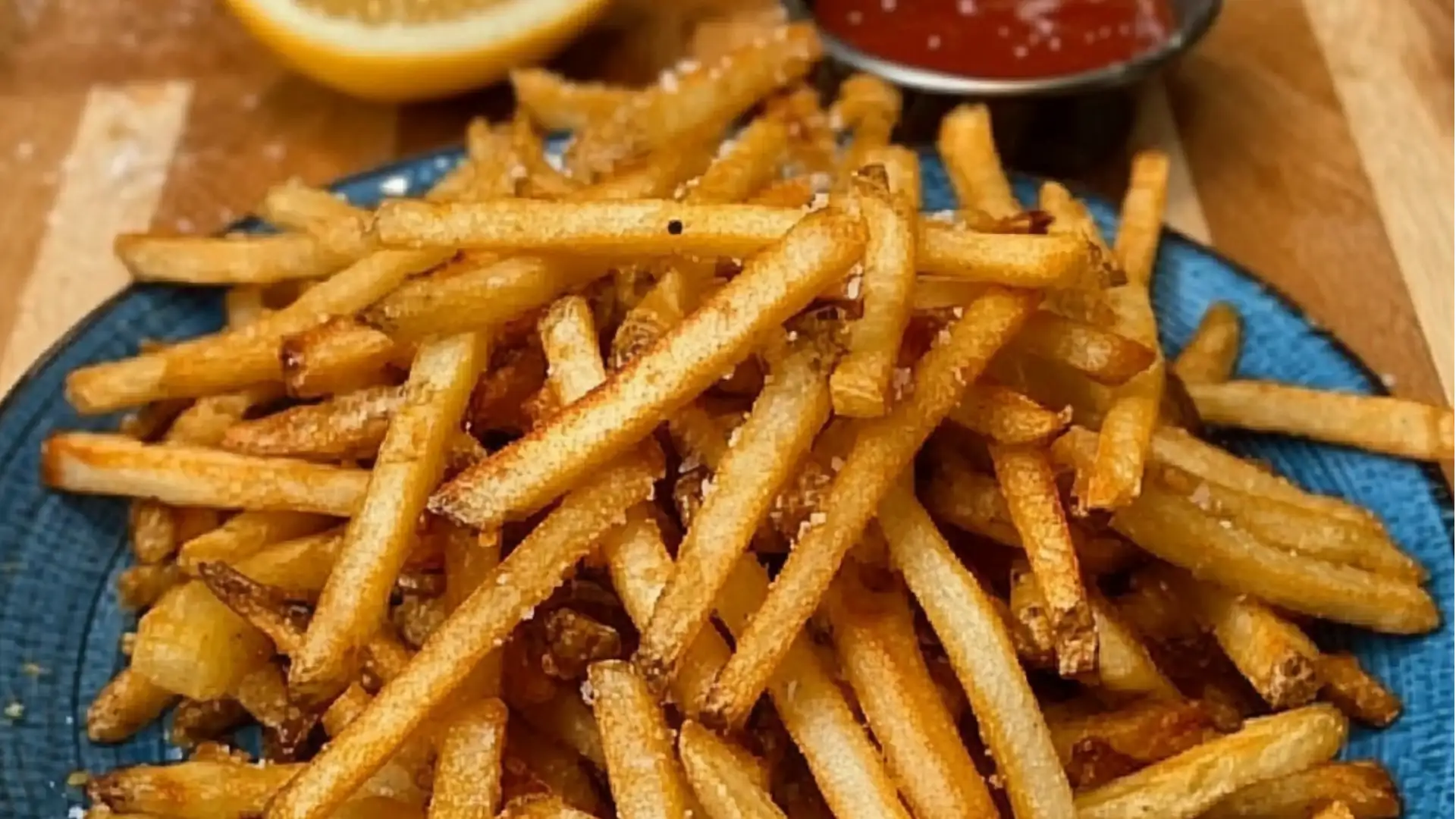
The Ultimate Guide to Achieving Perfect Crispy Homemade French Fries
There’s nothing quite like the irresistible allure of perfectly crispy, golden-brown french fries. While many adore the convenience of fast-food versions, true enthusiasts know that the pinnacle of fry perfection is found only in a batch of expertly prepared
homemade french fries. Forget limp, greasy disappointments – with the right techniques, you can transform humble potatoes into a culinary masterpiece that rivals, and often surpasses, your favorite restaurant. This comprehensive guide will unlock the secrets to achieving that coveted crispy exterior and fluffy interior, covering everything from proper potato preparation to the art of the double-fry.
The Quest for Crispy Perfection: Why Homemade French Fries Reign Supreme
Embarking on the journey to make your own
homemade french fries is a rewarding culinary adventure. Beyond the sheer satisfaction of creating something from scratch, the control you gain over ingredients and freshness is unparalleled. You choose the oil, the seasoning, and the quality of the potato, ensuring a superior product free from unwanted additives.
The magic behind truly crispy fries lies in understanding the science of frying. Potatoes are rich in starch and water. When fried, the water rapidly turns to steam, causing the potato's internal structure to cook and expand. For crispiness, we need to minimize surface moisture and create a firm outer layer. This is where methods like soaking and double-frying become essential, helping to manage starch levels and moisture content for optimal results. The difference between a store-bought frozen fry and a fresh, hand-cut, perfectly cooked homemade fry is like night and day – a difference in texture, flavor, and pure, unadulterated potato bliss.
Essential Gear for Your Frying Adventure
Before you dive into the frying process, gathering the right tools will make your experience smoother, safer, and ultimately more successful. You don't need a professional kitchen, but a few key items are highly recommended:
*
Large, Heavy-Bottomed Pot: A Dutch oven or heavy stockpot is ideal. Its weight helps maintain a consistent oil temperature. Ensure it's large enough to comfortably hold your oil and potatoes without overcrowding.
*
Frying Oil: Opt for oils with a high smoke point and neutral flavor. Vegetable oil, canola oil, peanut oil, or even lard are excellent choices. You'll need enough to fill your pot about 2 inches deep.
*
Deep-Fry Thermometer: While not strictly mandatory, a reliable thermometer is your best friend for maintaining precise oil temperatures. Guessing can lead to soggy or burnt fries.
*
Slotted Spoon or Spider Skimmer: Essential for safely adding and removing fries from hot oil.
*
Plenty of Paper Towels: For draining excess oil.
*
Cooling Rack and Baking Sheet: Positioning a cooling rack over a baking sheet provides an initial draining spot, allowing air circulation around the fries and preventing them from steaming and losing crispness on a flat surface.
*
Sharp Knife or Mandoline: For consistent potato cuts. A mandoline makes quick work of uniform sticks.
*
Large Bowl: For soaking potatoes.
*
Salt: Fine sea salt or kosher salt for seasoning immediately after frying.
Safety Tip: Always have a fire extinguisher rated for grease fires nearby when deep frying. Never leave hot oil unattended. If the oil starts smoking excessively, turn off the heat immediately.
Potato Prep: The Foundation of Flawless Fries
The journey to perfect fries begins with the right potato and meticulous preparation.
*
Choosing Your Potato: For the classic crispy-on-the-outside, fluffy-on-the-inside texture, Russet potatoes (also known as Idaho potatoes) are the undisputed champions. Their high starch content and low moisture make them ideal for frying.
*
Washing and Scrubbing: Thoroughly wash and scrub your potatoes to remove any dirt.
*
Peeling (Optional): Peeling is entirely a matter of personal preference. Leaving the skin on adds a rustic look, some fiber, and a slightly earthy flavor. If you prefer a more classic, uniform fry, go ahead and peel them.
*
The Art of the Cut: Consistency is key here. Uniformly cut fries cook evenly, ensuring no undercooked centers or burnt edges. If you have a mandoline, now is the time to use it for perfectly even 1/4-inch to 1/2-inch sticks. If cutting by hand, first slice each potato in half lengthwise, lay the cut side flat, and then slice into planks of your desired thickness. Stack these planks and cut into sticks of the same width. Aim for roughly the same size as typical restaurant fries – too thin and they'll burn quickly, too thick and they'll take too long to cook through. Plan on one large potato per person if serving as a side.
Crucial Step 1: The Soaking Secret
This step is often overlooked by novices but is absolutely fundamental for achieving truly superior
homemade french fries.
*
Why Soak? Potatoes contain a significant amount of surface starch. This starch can cause fries to stick together, brown unevenly, and become less crispy. Soaking the cut potato sticks in cool water for at least 20 minutes (and up to several hours, or even overnight in the fridge) draws out this excess starch.
*
The Benefits: Removing starch results in fries that are less likely to stick, fry up lighter in color, have a fluffier interior, and, most importantly, develop an incredibly crisp exterior. Think of it as giving your fries a spa treatment before their hot oil bath.
Crucial Step 2: Drying for Dominance
This is perhaps the *most* critical step in preventing soggy fries and ensuring safety. Water and hot oil are a dangerous combination, leading to splattering and potential burns.
*
Why Dry? Any residual moisture on the potato sticks will prevent them from crisping properly and dramatically lower the oil temperature, leading to greasy, limp fries. It can also cause the oil to spatter violently.
*
How to Dry:
1. Drain the soaked potatoes thoroughly.
2. Pat them bone-dry with several layers of paper towels or a clean kitchen towel. Don't be shy – really press out the moisture.
3. For an extra measure, arrange the dry potato sticks in a single layer on a cooling rack or clean baking sheet and allow them to air-dry for another 10-15 minutes. The drier they are before hitting the oil, the better. This is where patience truly pays off.
The Double-Fry Difference: Mastering the Technique
The secret to restaurant-quality crispness and a fluffy interior lies in the double-frying method. This two-stage process cooks the potato through first, then crisps it to golden perfection. For an even deeper dive into this technique, check out our guide on
Double-Fried Perfection: Ultimate Crispy Homemade French Fries.
First Fry (Blanching)
This stage is all about cooking the potato through without browning.
1.
Heat the Oil: Pour your chosen frying oil into your heavy pot, ensuring it's about 2 inches deep. Slowly bring the temperature up to
325°F (160°C). A thermometer is invaluable here.
2.
First Fry in Batches: Carefully add a batch of your dried potato sticks to the hot oil. *Do not overcrowd the pot!* Overcrowding will drastically lower the oil temperature, leading to soggy, greasy fries. Fry enough so they float freely in a single layer.
3.
Cook Through: Fry for about 5-7 minutes. The fries should cook through, becoming tender on the inside, but remain pale – you shouldn't see any significant browning. They'll look cooked but still resemble their raw color.
4.
Drain and Cool: Lift the blanched fries out of the oil with a slotted spoon or spider and drain them on a cooling rack set over a baking sheet or on several layers of paper towels.
Cooling Period
This is a critical, often rushed, step for maximum crispness.
*
Completely Cool: Allow the fries to cool completely, for at least 30 minutes, but ideally 1-2 hours. You can even refrigerate them for several hours or overnight at this stage. Cooling allows residual moisture to redistribute within the potato, firming up the cell walls and preparing them for the final crisping. If refrigerating, let them come to room temperature for about 15-20 minutes before the second fry.
Second Fry (Crisping)
This is where the magic happens and your
homemade french fries achieve their legendary crispness and golden hue.
1.
Reheat the Oil: Bring the oil temperature up to a higher heat, typically between
350°F and 375°F (175°C to 190°C). If you don't have a thermometer, you can test a single blanched fry: it should immediately sizzle actively but not violently. If it sputters aggressively, the oil is too hot; if it barely bubbles, it's not hot enough.
2.
Second Fry for Crispness: Add the cooled, blanched fries back into the hotter oil, again working in batches to prevent overcrowding.
3.
Fry to Golden Perfection: Cook for another 2-5 minutes, or until they achieve a beautiful golden-brown color and are irresistibly crispy.
4.
Final Drain and Season: Remove the perfectly crispy fries from the oil, drain them on a cooling rack or paper towels, and immediately transfer them to a large bowl. Season generously with fine salt (or your preferred seasoning) while they are still hot, tossing to ensure even distribution. The hot oil helps the salt adhere.
5.
Serve Immediately: Crispy fries are best enjoyed hot and fresh! They are the perfect accompaniment to hamburgers, grilled steak, or steamed mussels.
The "Quick Fry" Alternative: When Time is of the Essence
While the double-fry method yields the absolute best results, sometimes you simply don't have the time. Some methods promise crispy fries in much less time, even without soaking or double-frying. One such approach often involves starting the potatoes in cold oil. For those interested in this expedited technique, explore our article on
Crispy French Fries in 15 Min: No Soak, No Double Fry?
The cold-oil method involves placing the cut potatoes into cold oil, then slowly bringing the temperature up. The idea is that as the oil heats gradually, the potatoes cook through evenly before the outside crisps. While this can yield decent results, especially for thinner-cut fries, it generally won't achieve the same level of sustained crispness and fluffy interior as the traditional double-fry with soaking. Uniformity in your potato cuts is even more paramount with this method to ensure even cooking and browning. It's a trade-off between speed and ultimate perfection, but a great option for a quick fix.
Conclusion
Creating truly spectacular
homemade french fries is an art form, but one that is entirely achievable in your own kitchen. By understanding the importance of proper potato selection, the magic of soaking to remove excess starch, the absolute necessity of thorough drying, and the transformative power of the double-fry technique, you’re well on your way to frying mastery. While the process requires a bit of patience and attention to detail, the reward of biting into a perfectly golden, undeniably crispy, and wonderfully fluffy homemade fry is an experience that makes every effort worthwhile. So, roll up your sleeves, grab those potatoes, and unlock the secrets to your most delicious batch of fries yet!